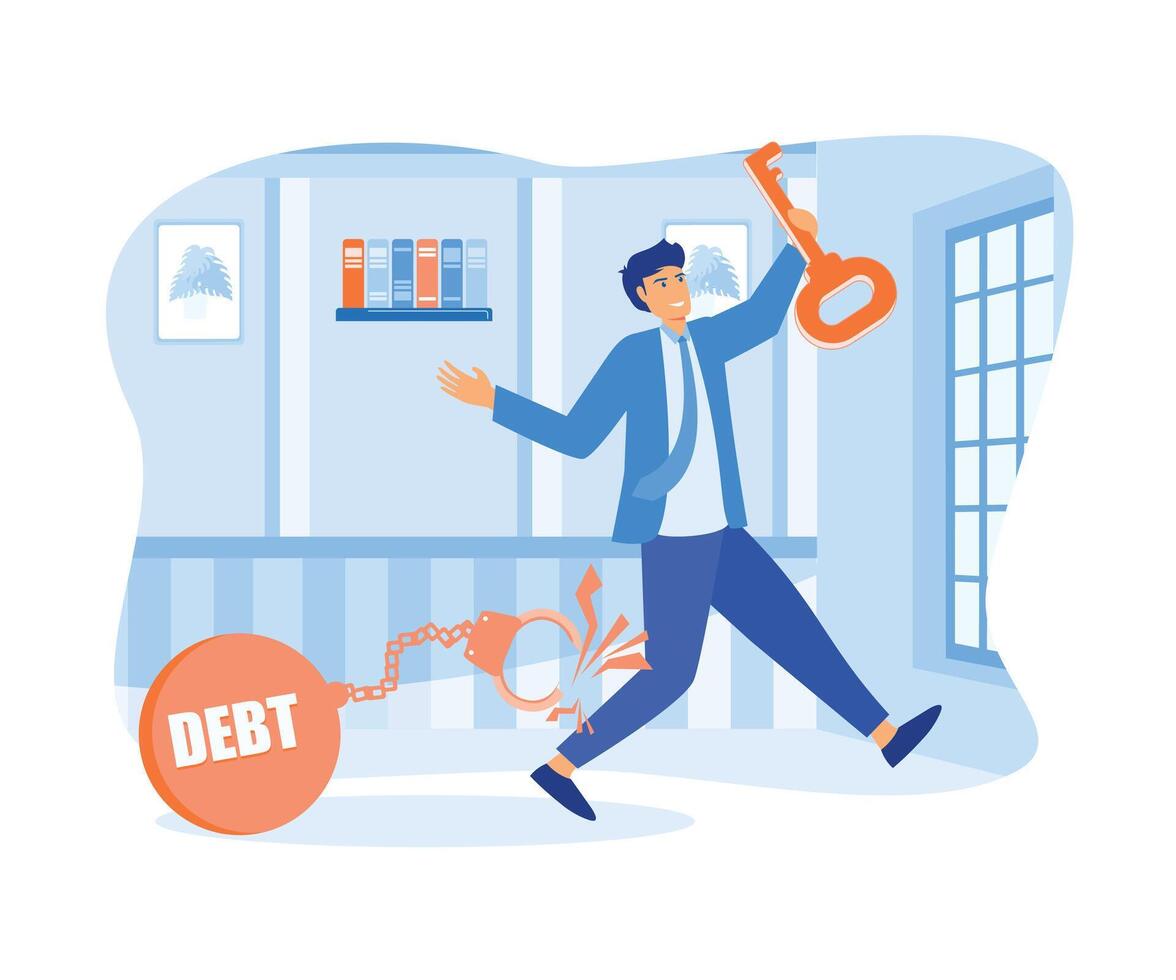
Saving money effectively often depends on avoiding unnecessary debt. Debt can quickly become a major financial burden, especially when high interest rates are involved. While some forms of borrowing may be necessary, such as home loans or education financing, uncontrolled debt can reduce your ability to save and invest for the future.
One of the main reasons people fall into debt is overspending beyond their income. Credit cards make it easy to purchase items without immediate payment, but this convenience often leads to accumulated balances. When these balances are not paid in full, interest charges begin to grow, increasing the total amount owed.
To avoid debt, it is important to practice disciplined spending. Create a monthly budget that outlines your income and essential expenses. This helps you understand how much money is available for discretionary spending. Sticking to this budget reduces the chances of relying on credit.
Another effective strategy is using cash or debit cards instead of credit cards. This ensures that you only spend money you actually have. Additionally, setting clear financial goals, such as building savings or paying for large purchases in advance, encourages better financial decisions.
If you already have debt, focus on repaying it as quickly as possible. Prioritize high interest debts first while continuing to make minimum payments on others. This approach reduces overall interest costs and shortens repayment time.
Avoiding debt allows you to use your income more effectively. Instead of paying interest, you can allocate money toward savings, investments, and future goals. Over time, this habit builds financial stability, reduces stress, and creates a strong foundation for long term wealth and financial independence.
Developing awareness of spending triggers also plays an important role in avoiding debt. Emotional purchases, peer pressure, and marketing influences often encourage unnecessary spending. Recognizing these triggers helps you pause and make more rational decisions.
Building an emergency fund further protects you from falling into debt during unexpected situations. Even small savings can cover urgent expenses and reduce dependence on credit. Consistent discipline ensures long term financial security and sustainable growth